Why construction dust behaves differently
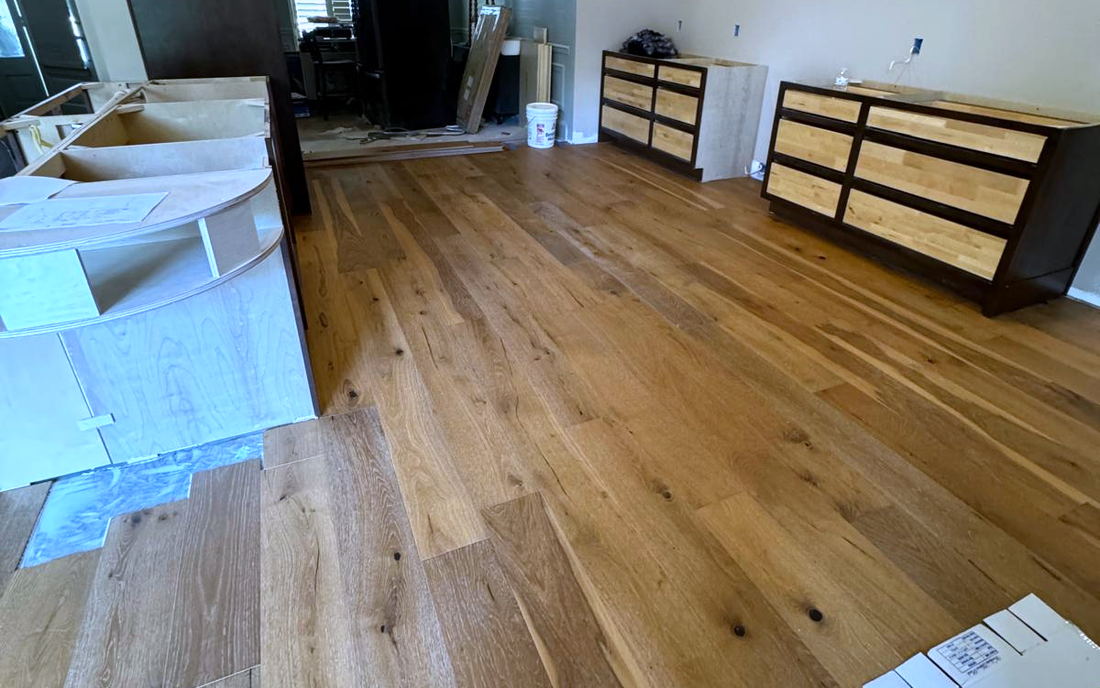
Construction dust is mostly ground gypsum from drywall finishing, mixed with sawdust and silica. The particles are far finer than household dust, which means they stay airborne for hours after work stops and they settle on vertical surfaces as well as horizontal ones. Static holds them to walls, cabinet sides and glass.
This has two consequences for cleaning. First, one pass is never enough, because the act of cleaning puts dust back into the air, which then lands on what you just finished. Second, the order is not optional: cleaning must run from the highest surface to the lowest, or you will re-dirty finished work all day.
It also means that scheduling matters. If a trade returns after the final clean, the dust returns with them. On managed projects the clean gets scheduled after touch-up paint, and the site is closed to further work between the clean and the walkthrough.
The three-pass method
Every professional post-construction clean runs in three distinct passes, each with a different purpose. Combining them is the most common shortcut and the most reliable way to produce a room that looks clean and turns dusty overnight.
- Pass one, rough: debris out, protective film pulled, labels and stickers off, tape and adhesive residue removed, heavy dust vacuumed from all surfaces and cavities.
- Pass two, detail: every surface wiped top to bottom, cabinets inside and out, fixtures and hardware, glass, frames, tracks, registers and plates.
- Pass three, settle: after the airborne dust raised during pass two has landed, surfaces are re-wiped and floors are done last.
The third pass is what nobody budgets for and what everyone notices when it is missing. It is usually a short pass, often a few hours, and it is the difference between a clean handover and a callback.
The surfaces that fail walkthroughs
Punch lists driven by cleaning are remarkably consistent. These are the surfaces that get missed most often, in roughly the order they appear on inspection reports.
- Top edges of doors and door casings, which nobody sees until they look up.
- Window tracks and weep holes, which hold gritty debris that stops the window draining.
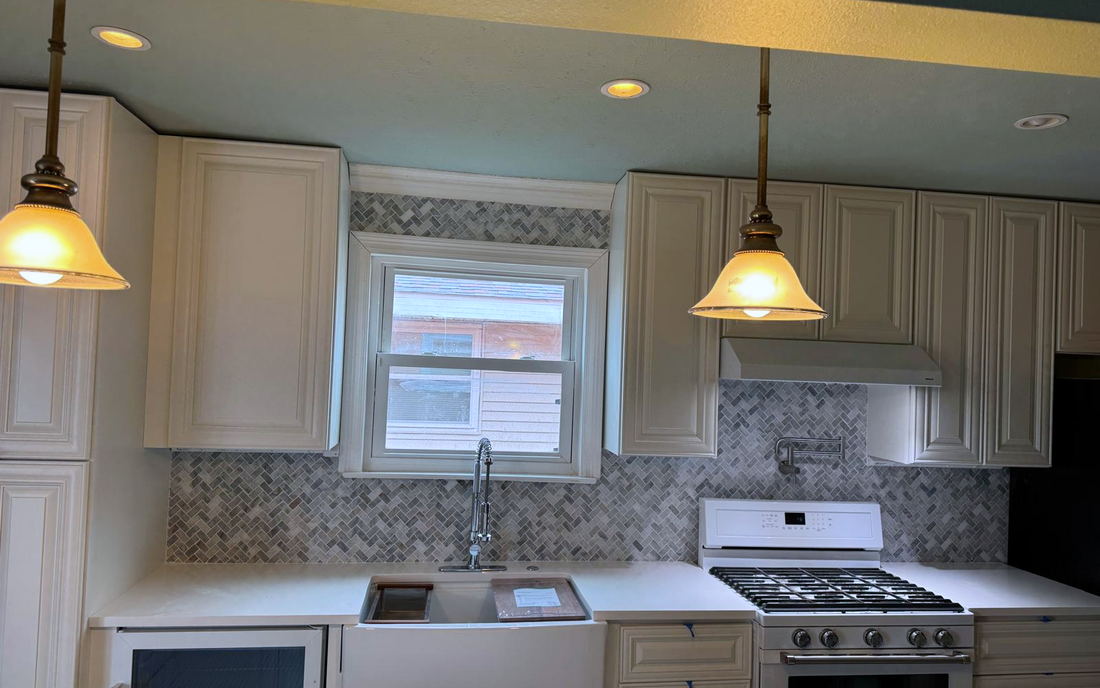
- Inside cabinet drawers, shelf undersides and toe kicks.
- HVAC supply registers and the return grille, plus the filter itself.
- Light fixture interiors, especially recessed cans and coves.
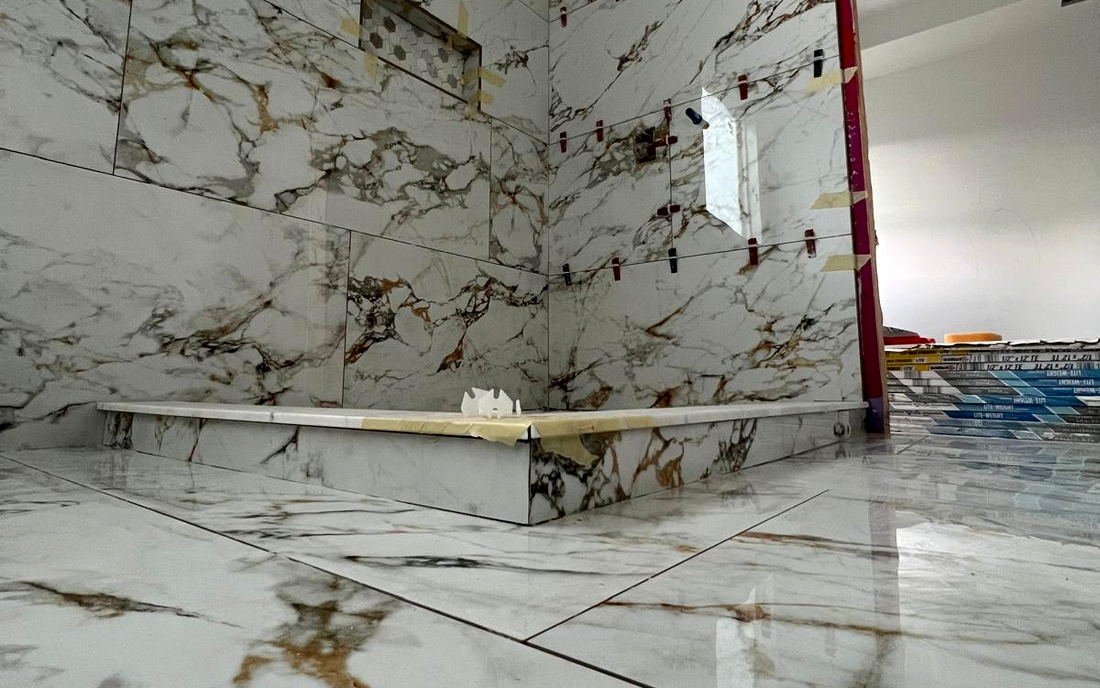
- The ledge above a shower niche and the top of a shower curb.
- Electrical plate edges and the wall immediately around them.
- Transition strips and the gap where flooring meets tile.
- The top of baseboards and the small ledge above door hardware.
- Exterior thresholds and the frame of any door that was used for material delivery.
Residues need chemistry, not force
A post-construction site holds several residues that each need a specific approach, and using the wrong one damages the finish underneath. This is where cleaning can create its own punch list.
- Joint compound haze on glass: a controlled wet scrape with the correct solution. Dry scraping and abrasive pads scratch low-E coatings.
- Paint overspray: solvent appropriate to the paint and the substrate, applied with patience rather than pressure.
- Protective film adhesive: a citrus-based remover, then a full wash to remove the oily residue it leaves.
- Grout haze on new tile: an acidic cleaner used at the correct dilution, rinsed thoroughly and never left to dry.
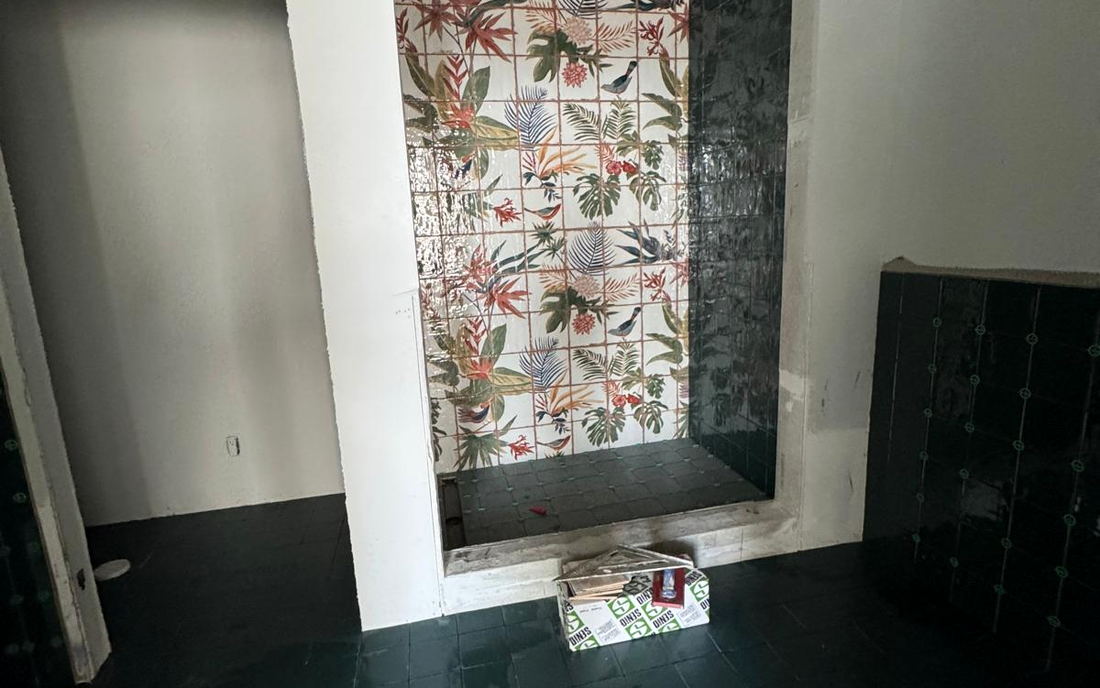
- Thinset on a finished floor: softened and lifted, not chipped, which cracks tile and gouges vinyl.
- Silicone smears: mechanically removed with a plastic blade, since solvents often smear them further.
The rule that prevents most damage is simple: nothing abrasive on any finished surface. Brushed nickel, low-E glass, matte cabinet finishes and new tile can all be permanently marked by a pad chosen for speed.
The filter nobody mentions
If the HVAC system ran during construction, it pulled fine dust into the ducts and loaded the filter. A clean house with a loaded filter blows dust back into the rooms for weeks, and the homeowner reasonably concludes the cleaning was poor.
The fix is to clean the registers and the return grille, then replace the filter at the end of the final pass rather than at the beginning. Where the system ran with returns open during heavy drywall sanding, duct cleaning is worth discussing with a specialist, because no amount of surface cleaning addresses dust that is already in the ductwork.
How long it should take
Realistic durations help everyone plan. A renovated kitchen and bathroom is usually a single day across the passes. A whole house of 2,000 to 3,000 square feet typically runs two to three days. The variables that move that number are not square footage but window count, cabinet count, fixture count and how much specialty residue is present.
That is why a quote based only on square footage tends to be wrong in both directions. A small house with twenty windows and a full custom kitchen takes longer than a larger house with simple finishes. We count the items rather than the floor area, which produces a number that holds.
Questions we get on this
The rough pass happens with protection in place. Protection comes up before the detail pass so the floor can be cleaned, and the floor is always the last thing finished so that dust from higher surfaces has already been removed.
No. A deep clean addresses accumulated household soil on surfaces that are otherwise intact. Post-construction cleaning addresses fine mineral dust and specialty construction residues on brand-new finishes, which requires different products and a much higher risk of damage from the wrong technique.
It depends on the scope, and it should be written down. Our cleaning scope covers packaging, film, offcuts and general trash. Demolition debris, appliances and anything needing a dumpster is quoted separately so nobody discovers the gap on the last day.